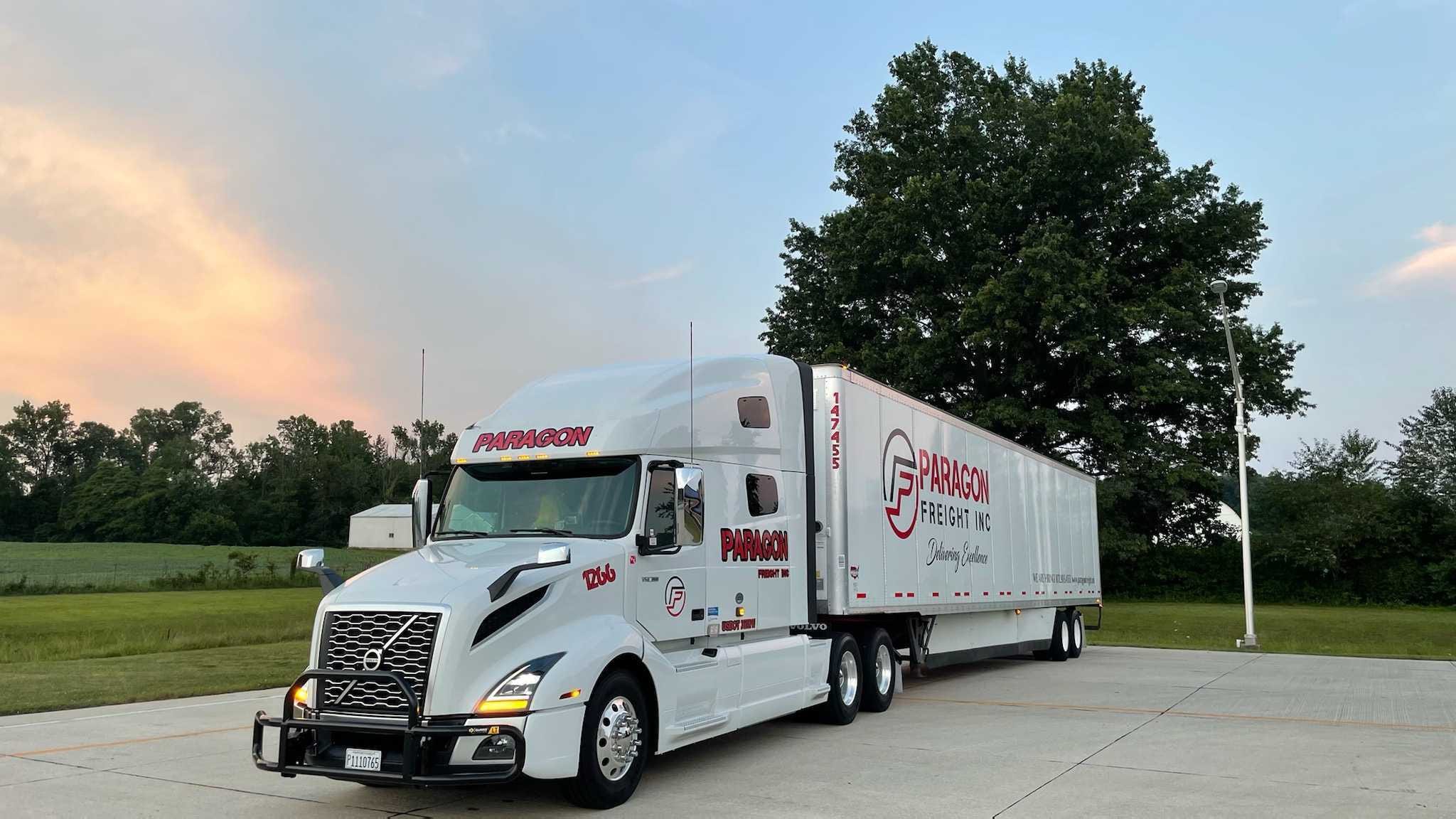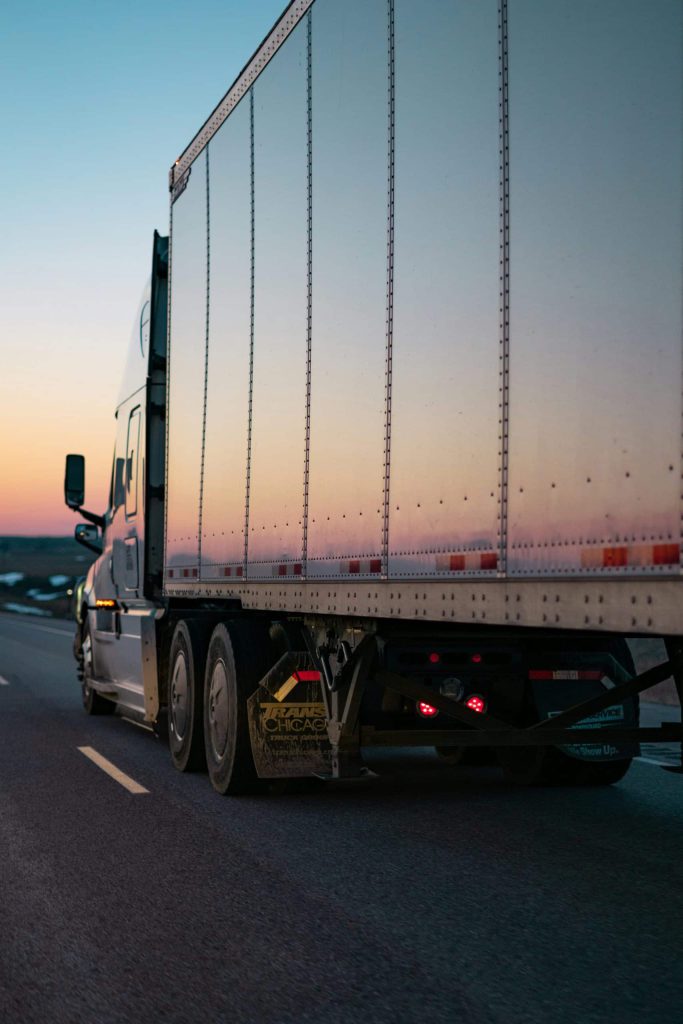
Dry van trucking jobs are everywhere. Every job board, every carrier, every recruiter has them. The freight is straightforward — enclosed trailers, mostly no-touch, standard dock work. What separates a good dry van job from a bad one has nothing to do with the freight itself. It comes down to the carrier and how they run their operation.
If you’re looking at dry van trucking jobs right now, here’s what actually matters — and what most recruiting pitches leave out.
You Have Leverage — Use It
Dry van is the most common freight type in the country. That means carriers are competing for qualified CDL-A drivers — not the other way around. You have options, and you shouldn’t settle for a carrier that dances around basic questions about miles, pay structure, and home time.
If a recruiter gets vague during the hiring process, that vagueness doesn’t get better after you sign. Carriers that want good drivers are willing to be specific about what they offer — because they know drivers are comparing.
Pay Structure Matters More Than the Top Number
Every carrier will tell you their pay is competitive based on experience. Fine. But the number that matters is what you actually take home after a real week of driving — not the best-case scenario the recruiter quotes. Ask about average weekly miles, not maximums. Ask what happens when you sit at a dock for six hours. Ask about detention pay, layover pay, and whether stop pay is included.
A driver making slightly less per mile but running consistent, high-mile weeks will out-earn a driver at a higher rate who’s sitting empty half the time. The pay structure tells you more than the headline number ever will.
Lane Consistency Is Underrated
Running the same general lanes every week might not sound exciting, but it’s how you build a sustainable career. You learn the routes, the shippers, the receivers, the best truck stops, the shortcuts. That familiarity adds up — fewer problems, fewer surprises, more predictable home time.
Ask the carrier about lane consistency. Do their drivers typically run the same corridors, or is it random dispatch every week? Carriers with consistent freight and dedicated lanes tend to keep drivers longer, and there’s a reason for that.
Equipment and Dispatch — The Stuff Recruiting Doesn’t Cover
Two things will make or break your experience at any dry van carrier: the condition of the truck you’re driving and the quality of the dispatcher you’re working with. A well-maintained truck means fewer breakdowns, fewer headaches, and more miles. A good dispatcher means loads that make sense, communication when things change, and someone who’s actually got your back when problems come up.
Ask to talk to a current driver about both. Recruiting will always paint a rosy picture — drivers will tell you the truth. Paragon runs consistent dry van freight with solid equipment and dispatchers who communicate. That’s the baseline we hold ourselves to.
What should CDL-A drivers look for in dry van trucking jobs?
Focus on pay structure (not just the top number), lane consistency, equipment condition, dispatcher quality, and whether the carrier delivers on home time promises. The freight itself is similar everywhere — the carrier makes the difference.
Is dry van trucking good for new CDL-A drivers?
Dry van is a good entry point because the freight is straightforward and mostly no-touch. New drivers should focus on finding a carrier with good training, consistent miles, and honest communication rather than chasing the highest pay rate.
How do I compare dry van carriers before signing on?
Ask about average weekly miles, home time frequency, equipment age and maintenance, and talk to current drivers. Look for consistency in what the recruiter promises versus what drivers actually experience.