Midwest freight lanes don’t get the attention the coastal routes do. No one’s writing headlines about a dry van hauling consumer goods from outside Chicago to a distribution center in Ohio. But that’s exactly the kind of freight that keeps the country running — and it’s why drivers based in the heartland often have a real advantage when it comes to consistent miles and scheduled home time.
If you’ve been bouncing around random freight, running wherever dispatch sends you with no real pattern, there’s a reason Midwest freight lanes keep showing up in conversations about where to build a long-term driving career.
Geography Works in Your Favor
The Midwest sits at the crossroads of the country’s interstate system. I-80, I-90, I-70, I-55, I-65 — they all run through or connect to the region. That means shorter deadhead miles, more routing options, and easier reloads. You’re not running 200 empty miles just to get to your next pickup.
For drivers, this translates to more paid miles per week. For carriers, it means more efficient operations. And for shippers, it means freight gets covered faster. Everyone benefits from the geography — and that’s not something you get running out of a coastal market where you’re fighting traffic and limited backhaul options.
Midwest Freight Lanes and Home Time
One of the biggest advantages of running Midwest freight lanes is the home time situation. When your terminal or home base is in the center of the country, you’re never as far from home as someone running coast-to-coast out of a port city. A lot of Midwest-based runs are out-and-back or regional loops — you can get scheduled home time without giving up miles.
That matters. Especially if you’ve got a family, or if you’ve been doing this long enough to know that home time is the thing that keeps you from burning out.
Freight Diversity Keeps You Moving
The Midwest isn’t dependent on one industry for freight. Manufacturing, agriculture, retail distribution, e-commerce fulfillment, automotive — it’s all here. When one sector slows down, another picks up. That diversity means steadier freight year-round and fewer dead weeks where there’s nothing to haul.
Compare that to a market that’s heavily dependent on one type of freight. When that sector dips, everyone’s fighting over the same scraps. In the Midwest, the freight mix keeps things moving even when individual sectors fluctuate.
What to Look for in a Midwest-Based Carrier
Not every carrier based in the Midwest actually runs dedicated Midwest freight lanes. Some just use the region as a starting point and send you all over the map. If consistent lanes and predictable routes matter to you — and they should — ask the carrier where their freight actually goes. Ask about lane consistency. Ask how often drivers run the same routes.
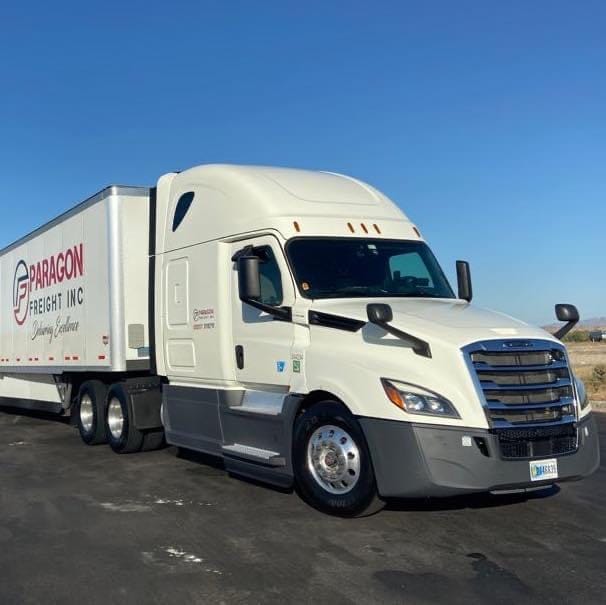
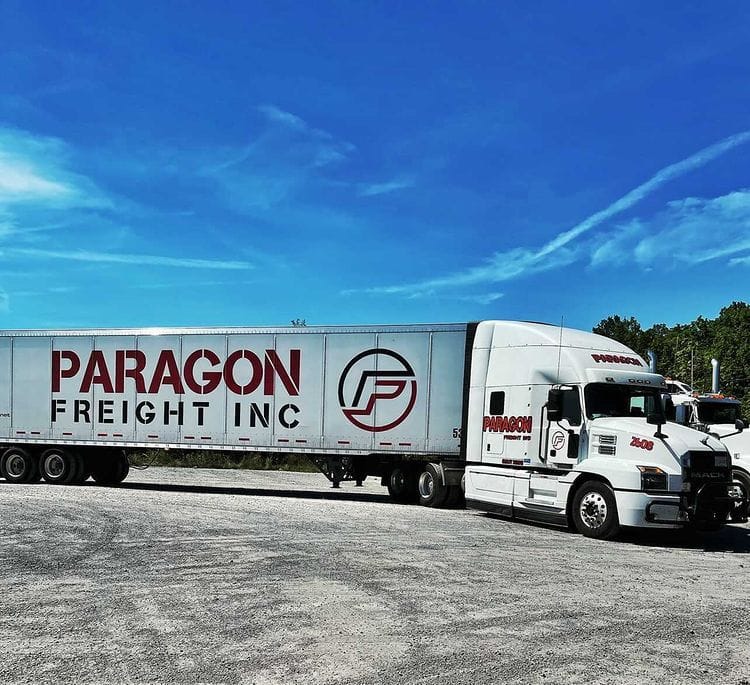
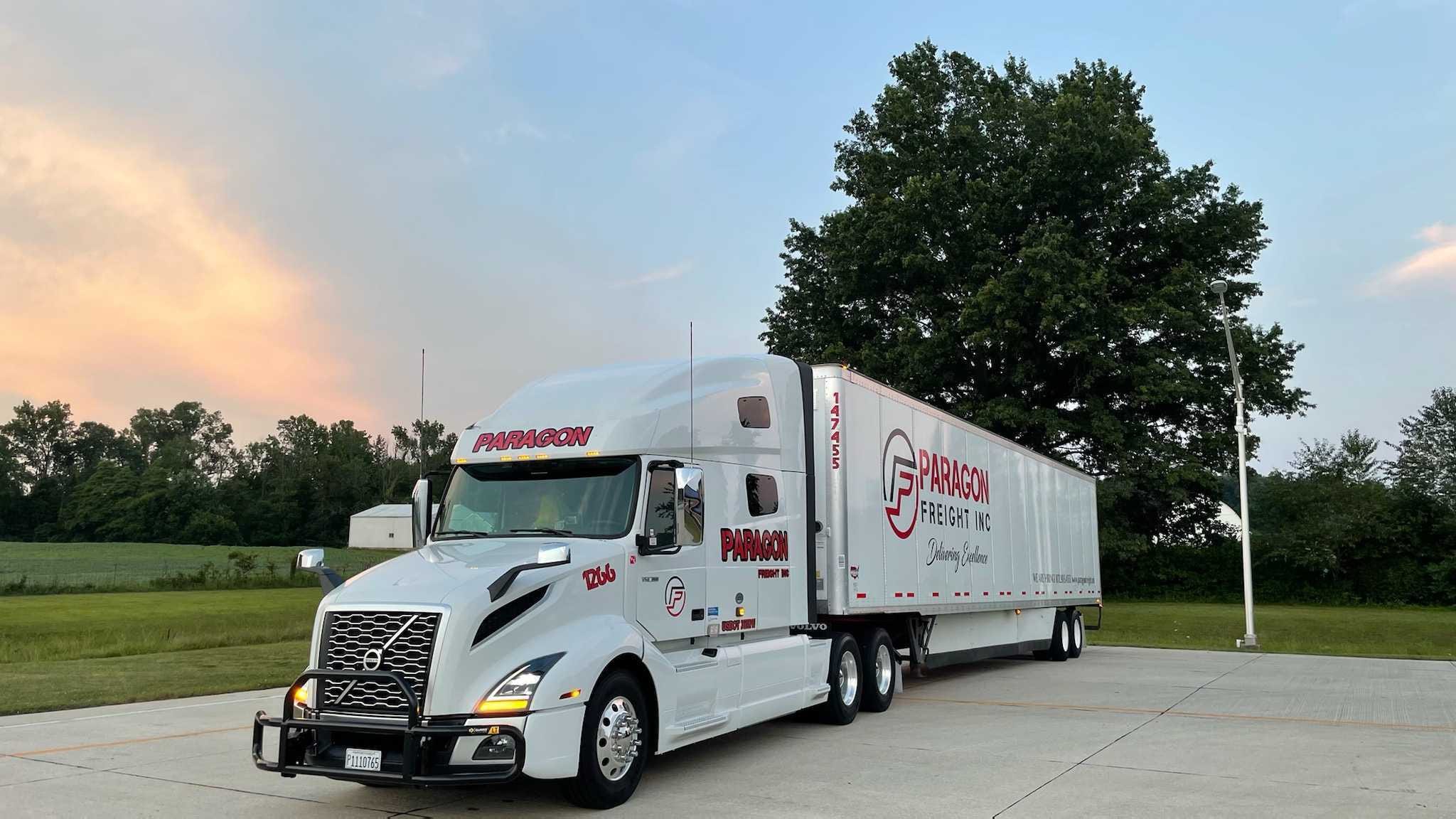
Paragon is based in the Midwest and runs consistent lanes through the heartland and surrounding regions. It’s not the flashiest thing in the world, but it’s the kind of setup that keeps drivers running and gets them home on a schedule.
Why are Midwest freight lanes good for CDL-A drivers?
Midwest freight lanes offer shorter deadhead miles, diverse freight sources, and better access to scheduled home time because you’re centrally located instead of running coast to coast.
Do Midwest-based drivers get more consistent miles?
Generally yes. The central location means more reload options with less empty driving, which translates to more paid miles per week compared to markets with limited backhaul freight.
What kinds of freight move through Midwest lanes?
Midwest freight includes manufacturing goods, agricultural products, retail distribution, e-commerce fulfillment, and automotive parts. That mix keeps freight volume steady year-round.