Every trucking job board in the country is screaming for CDL-A drivers right now. The ads all look the same. Big CPM numbers, vague promises, stock photos of trucks you’ll never actually drive. If you’ve been in this industry for more than a year, you already know most of it is noise.
So instead of another recruiting pitch, here’s an honest breakdown of what OTR trucking jobs actually look like in 2026 — and what separates a carrier worth driving for from one that’ll have you looking again in four months.
The Market Right Now
Freight volume has stabilized after a rough couple of years. Carriers that survived the downturn are running leaner and smarter. That’s actually good news for drivers — companies that made it through are the ones that didn’t cut corners on maintenance, didn’t play games with pay, and didn’t treat drivers like replaceable parts.
The bad news: some of those same carriers are desperate enough for drivers that they’ll say whatever it takes to get you in the door. The promises made during recruiting and the reality after orientation are two different things at a lot of companies.
Here’s what to actually pay attention to.
Pay: Look Past the Number
Everyone leads with CPM. It’s the first thing in every ad, the first thing recruiters mention, and honestly the least useful number by itself.
What matters more:
How many miles are you actually running? A carrier offering top CPM but only giving you 1,800 miles a week is paying you less than a carrier with moderate CPM and 2,800 consistent miles. Ask for average weekly miles for their current drivers — not a range from a recruiter’s script, but real averages.
Are all miles paid? Loaded and empty. Some carriers still don’t pay deadhead miles or pay them at a reduced rate. That’s money out of your pocket every single week.
Is the pay actually weekly? Direct deposit, every week, no exceptions. If a carrier hedges on this, walk away. There’s no reason in 2026 for a trucking company to not pay weekly by direct deposit.
What about detention and layover? You’re going to sit at shippers and receivers. It happens. Does the carrier pay you for that time, or do they just shrug and tell you it’s part of the job?
Equipment: Ask Specific Questions
“New equipment” is in every trucking ad ever written. Here’s what to actually ask:
What year are the trucks? Not “late model” — what year. What’s the average age of the fleet? Is the truck assigned to you, or are you slip-seating? What APU is in it, and does it actually work? When was the last DOT inspection on the truck they’re putting you in?
A carrier that can’t answer these questions quickly and specifically either doesn’t know their own fleet or doesn’t want you to know. Both are bad.
Equipment breaks down — that’s trucking. What matters is how fast it gets fixed and whether you’re sitting unpaid while it happens. Ask what the process is when something breaks on the road. Do they have a maintenance team that picks up the phone at 2 AM, or are you on your own finding a shop?
Home Time: The Biggest Lie in Trucking
This is where most carriers lose credibility. “Great home time” means nothing. Ask the specific policy.
How many weeks out before you get home? How many days home? Is it scheduled or do you have to fight for it every time? What happens if a load conflicts with your home time — does the load win or do you win?
The honest answer at most OTR carriers is three weeks out, and then some number of days home. The question is whether that schedule is respected or whether it’s just a suggestion that dispatch ignores when freight is heavy.
If a recruiter tells you “we get drivers home every weekend,” that’s almost certainly not true for OTR. Regional, maybe. OTR, no. A carrier that’s honest about home time expectations upfront is more trustworthy than one that tells you what you want to hear.
Dispatch: This Is Where Jobs Are Won or Lost
You can have the best pay and the newest truck in the industry, and a bad dispatcher will still make you miserable. This is the hardest thing to evaluate before you start, but there are signals.
Ask if you can talk to a current driver — not one the recruiter hand-picks, but any driver. Ask them about dispatch. Do they pick up the phone? Do they plan loads ahead, or are you sitting at a receiver waiting to find out where you’re going next? When something goes wrong, does dispatch have your back or do they disappear?
A carrier with 24/7 dispatch support that actually answers isn’t a luxury — it’s a basic requirement. If you’re broken down at 11 PM on a Tuesday in the middle of nowhere and nobody picks up, nothing else about that job matters.
Red Flags That Should Make You Keep Looking
Some of these seem obvious, but drivers take these jobs every day because the CPM number was high enough to ignore the warning signs.
Orientation pay that doesn’t cover your actual costs. If you’re flying to orientation and spending a week in a hotel and the carrier isn’t covering it, they’re already telling you how they value your time.
Vague answers about freight type. “We haul everything” usually means they’re brokering freight from load boards and you’ll be hauling whatever they can find. Ask if the freight is dedicated or contracted. Ask what percentage is drop and hook versus live load. These details determine whether you’re productive or sitting at docks.
High turnover they won’t acknowledge. Every carrier has turnover — that’s the industry. But if you ask how long the average driver stays and the recruiter changes the subject, that’s your answer.
No clear maintenance process. If the carrier can’t explain exactly what happens when your truck breaks down — who you call, how fast they respond, whether you’re paid while it’s in the shop — the process doesn’t exist.
Forcing you to run when you shouldn’t. Weather, hours, fatigue — if a carrier pressures you to push through any of these, they don’t care about you. Period. A good carrier would rather have a late load than a driver in a ditch.
What a Good OTR Job Actually Looks Like
Strip away all the marketing and a good OTR trucking job comes down to a few simple things. You know what you’re getting paid and it shows up every week. You know where you’re going and when you’ll be home. The truck works. When something goes wrong, someone picks up the phone and handles it. And the company treats you like a professional — not like a number, not like a problem, not like someone who should be grateful to have the job.
That’s it. That’s the entire bar. The fact that most carriers can’t clear it is why driver turnover across the industry stays as high as it does.
If you’re an experienced CDL-A driver looking for a carrier that actually operates this way, do your research. Ask the hard questions. Talk to real drivers. And don’t let a big CPM number distract you from everything else that determines whether a job is worth your time.
About Paragon Freight Inc
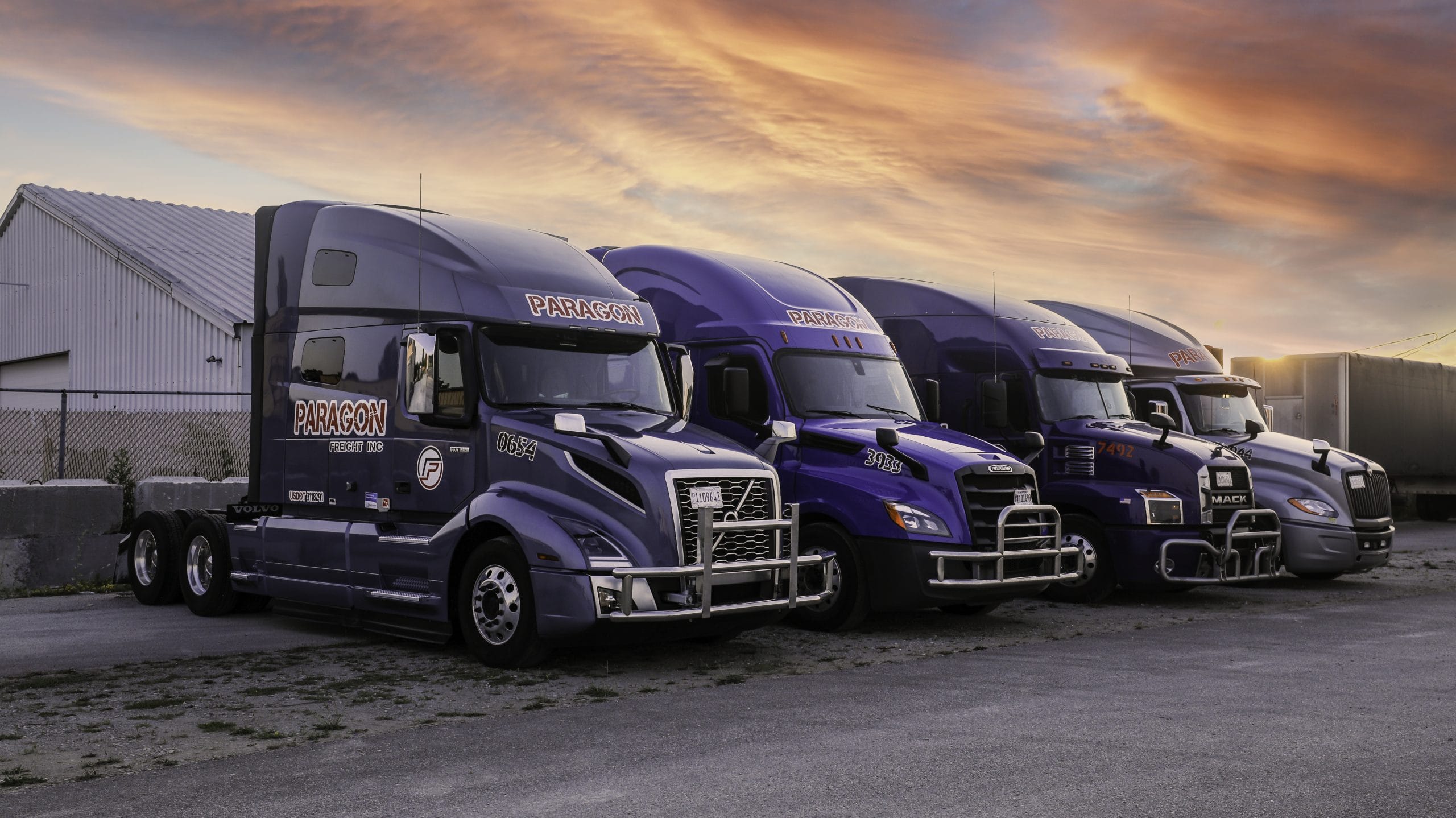
Paragon Freight Inc is a dry van truckload carrier based in Burr Ridge, Illinois. The company operates late-model equipment across major freight corridors in the Midwest, Southeast, Texas, and the Northeast, hauling dedicated and contracted freight for established shippers. Paragon Freight Inc hires experienced CDL-A company drivers and owner operators. Drivers can apply at paragonfreight.net.