With all the buzz around specialized freight, intermodal, and last-mile delivery, you’d think dry van trucking was on its way out. It’s not. Dry van is still the backbone of American freight — and the numbers aren’t even close. If you’re a CDL-A driver trying to figure out where to build a career, or a shipper wondering what mode makes the most sense, dry van still belongs at the center of the conversation.
The Numbers Still Favor Dry Van
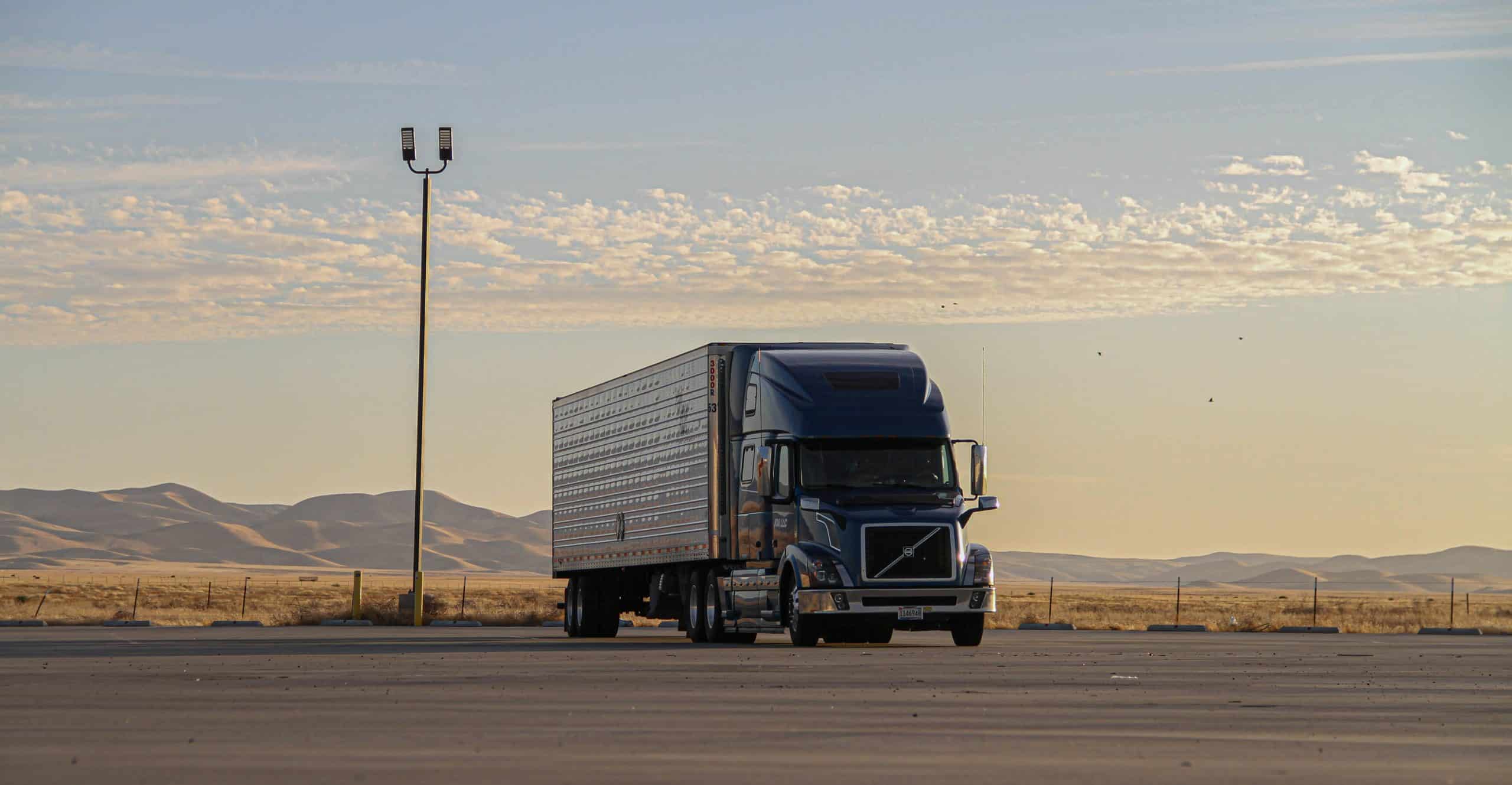
Dry van trailers move the majority of over-the-road freight in the country. That’s been true for decades, and nothing has fundamentally changed. Most consumer goods, building materials, packaged products, and manufactured items fit in a standard 53-foot trailer. They don’t need temperature control. They don’t need flatbed rigging. They just need to get from A to B in a clean, secure box.
That simplicity is exactly what makes dry van resilient. Fewer variables means fewer things that can go wrong, which means more consistent capacity for shippers and more consistent work for drivers.
Why Dry Van Hasn’t Been Replaced
Every few years, someone predicts that dry van will be disrupted by some new mode or technology. Intermodal was supposed to replace long-haul dry van. Autonomous trucks were going to eliminate the need for drivers. Last-mile was going to change everything.
None of that has happened in any meaningful way. Intermodal works for some lanes, but it’s slower and less flexible. Autonomous trucks are still in the testing phase for a reason. And last-mile still needs something to bring the freight to the distribution center — which is usually a dry van. The 53-foot trailer isn’t going anywhere because nothing else does what it does as reliably or as cheaply.
What Dry Van Means for Drivers
For CDL-A drivers, dry van offers the widest selection of jobs, the most lane options, and the most predictable type of freight. You’re not tarping in the rain. You’re not dealing with reefer breakdowns. You’re not hauling hazmat. The trade-off is that dry van rates tend to be more competitive, which means your earnings depend heavily on miles and consistency — which depends on the carrier.
The drivers who do well in dry van are the ones who found a carrier that keeps them moving on consistent lanes with solid equipment. It’s straightforward work — but “straightforward” beats “complicated and unpredictable” every time.
Dry Van Is the Backbone — And It’s Staying That Way
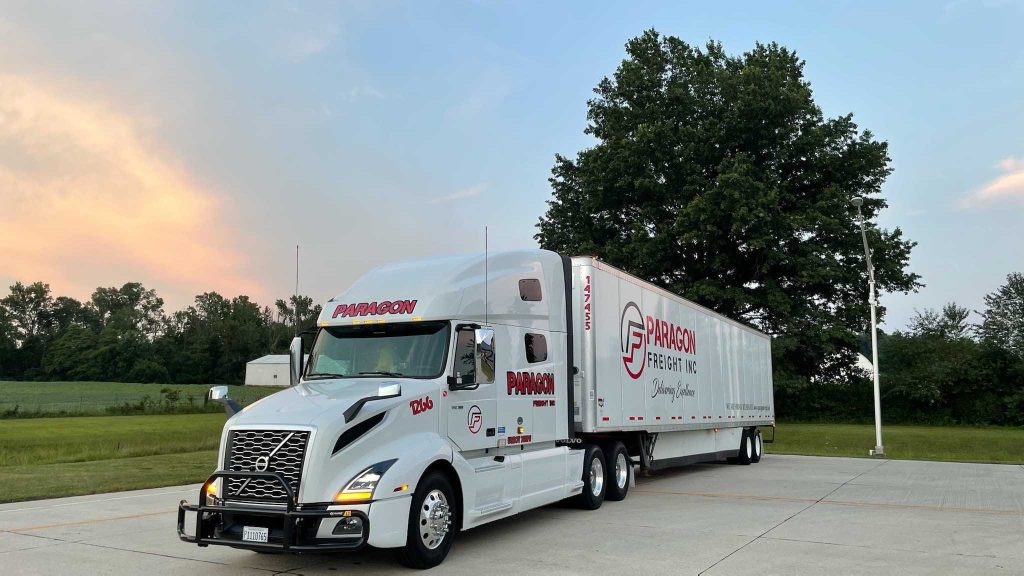
The American supply chain runs on dry van freight. That’s not changing anytime soon. For drivers looking at where to build a long career, dry van offers stability, options, and the kind of consistency that more specialized freight often can’t match. Paragon hauls dry van freight across consistent lanes — because that’s where the steady work is.
Is dry van trucking still in demand?
Yes. Dry van trailers move the majority of over-the-road freight in the U.S. and demand for qualified CDL-A dry van drivers remains strong across all regions.
Is dry van or reefer better for CDL-A drivers?
It depends on priorities. Dry van offers more job options and simpler freight, while reefer can pay slightly more but involves temperature-sensitive cargo and more equipment to manage. Many drivers prefer dry van for its consistency.
Will autonomous trucks replace dry van drivers?
Not in any meaningful timeframe. Autonomous trucking technology is still in testing, and the regulatory, infrastructure, and safety hurdles remain significant. CDL-A dry van drivers will be needed for the foreseeable future.