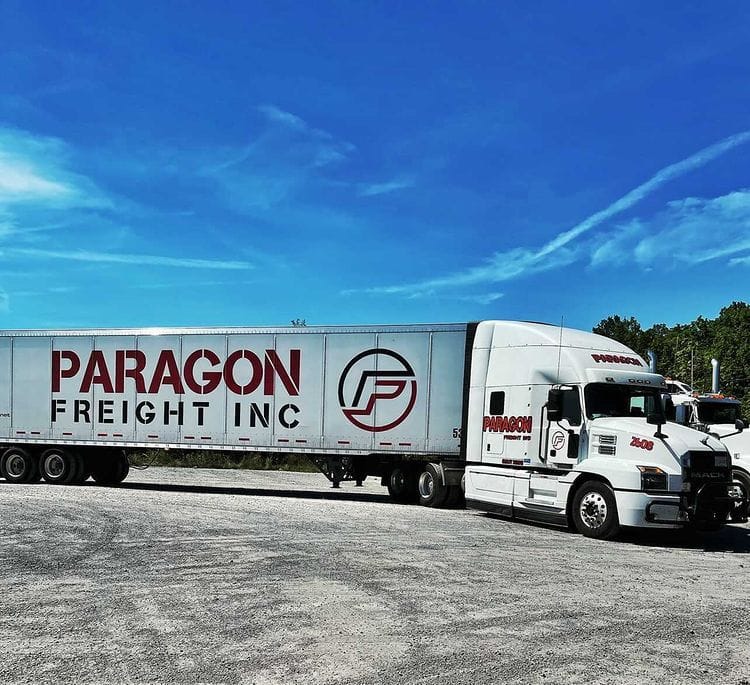
Reliable dry van capacity is the thing shippers don’t think about until it’s gone. Freight shows up late — or doesn’t show up at all — and suddenly your whole operation is scrambling. The real cost isn’t the rate on the load. It’s the domino effect: missed delivery windows, angry customers, warehouse crews standing around, and a logistics team stuck putting out fires instead of running the business.
If you’ve been in shipping long enough, you’ve seen this play out. And you’ve probably figured out that reliable dry van capacity matters more than getting the cheapest rate on any given lane.
What Inconsistent Capacity Actually Costs
Chasing spot rates every week means a different carrier every time. Some are solid. Some aren’t. You don’t find out which is which until the load is late or the driver no-shows.
That inconsistency bleeds into everything. Your receiving team can’t plan labor. Your customers start asking questions. Your freight spend becomes unpredictable — and when finance asks for a number, all you’ve got is a guess. The cheap load that looked great on paper cost you twice as much in disruption.
What Reliable Dry Van Capacity Looks Like
It’s not complicated. Reliable capacity means trucks show up when they’re supposed to. Pickups happen on time. Drivers know the facilities. Dispatch communicates proactively instead of waiting for you to chase them down.
That kind of consistency doesn’t come from brokers rotating through their cheapest available options. It comes from carriers who invest in their drivers, maintain their equipment, and actually care about repeat business. When a carrier’s drivers run the same lanes regularly, they know the shippers, the routes, and the expectations. That shows up in on-time performance — and it shows up in fewer headaches for you.
Questions to Ask Before Committing to a Carrier
Before signing a contract or setting up a dedicated lane, there are a few things worth asking. How does the carrier handle driver turnover? What’s their on-time delivery rate — not the one on their website, the real one? Do they have capacity in your lanes specifically, or are they stretching to cover them? What happens when the market tightens and capacity gets scarce?
The answers tell you whether you’re getting a real partner or just another carrier filling trucks.
Communication Separates Good Carriers from the Rest
The best carriers don’t wait for you to call asking where your load is. They tell you when something’s off before it becomes your problem — weather delays, equipment swaps, schedule changes. That kind of proactive communication doesn’t happen by accident. It’s a sign of a carrier that built its operation around reliability, not just filling trucks.
Pay attention to how responsive a carrier is during the quoting process. That’s usually the best they’ll ever be. If they’re slow to respond before they’ve got your freight, imagine how they’ll be after.
The Bottom Line on Dry Van Capacity
When freight moves on time, everything downstream works. Production stays on schedule, shelves stay stocked, and your team stops firefighting. Reliable dry van capacity also makes your freight spend predictable — which is the kind of thing that makes finance people happy.
The carriers that deliver this aren’t always the cheapest option on paper. But they’re almost always the most cost-effective option in practice. Paragon runs consistent dry van lanes with drivers who know the routes — and we pick up the phone when you call.
What is dry van capacity in freight shipping?
Dry van capacity refers to the availability of enclosed trailers and drivers to move non-temperature-sensitive freight. Reliable capacity means having trucks consistently available for your lanes without scrambling for coverage.
Why does unreliable freight capacity cost more than high rates?
Unreliable carriers cause missed delivery windows, production delays, and customer issues that cost far more than the rate difference. The disruption to your operation adds up faster than any savings from chasing spot rates.
How do I evaluate a dry van carrier’s reliability?
Ask about on-time delivery rates, driver retention, and how they handle capacity during tight markets. A carrier’s responsiveness during the sales process is usually a good indicator of how they’ll perform once they’re hauling your freight.
Related Reading
Read more: What Shippers Should Look for in a Freight Partner | Dry Van Trucking Jobs — What Drivers Should Know