OTR trucking gets romanticized and demonized in equal measure online. The truth about life on the road is somewhere in the middle — and it depends almost entirely on who you drive for and what you expect going in. If you’re considering OTR trucking or thinking about switching carriers, here’s what it actually looks like day to day.
The First Few Weeks Are Rough
Nobody’s fully prepared for OTR the first time. You’re learning to sleep in a truck, eat without a kitchen, manage your clock, and navigate cities you’ve never seen. It’s a lot at once.
Most drivers who make it past the first 90 days find their rhythm. The ones who don’t usually had the wrong expectations going in — or they signed on with a carrier that left them sitting with no miles and no support. The first few weeks are a test, but what you’re really testing is the carrier as much as yourself.
Home Time in OTR Trucking
This is the big one. Every carrier talks about home time during recruiting. The question is whether they deliver on it. Some carriers promise scheduled home time and then conveniently have a load that needs to move right when you’re supposed to be heading back.
Ask specific questions. How many days out versus home? Is it actually scheduled or is it “when freight allows”? What happens if you need to get home for something important — will dispatch work with you or fight you? The answers tell you everything about whether a carrier values its drivers or just needs bodies in seats.
Health on the Road Is on You
Nobody’s going to make you eat right or exercise out here. Truck stops are designed to sell you the worst food at the highest markup. You’ll gain weight if you’re not intentional about it — most new OTR drivers do.
The drivers who stay healthy long-term are the ones who figured out a system. A small cooler with real food. Walking during breaks. Drinking water instead of energy drinks. It’s not complicated, but it takes discipline, and the road doesn’t make it easy.

The Financial Side of OTR Trucking
OTR trucking can pay well, but how well depends on your miles, your pay structure, and how your carrier handles the stuff between loads. Ask about average weekly miles — the realistic average, not the best-case recruiter number. Find out what happens when you’re sitting at a dock for six hours or stuck waiting for a load assignment. Those gaps eat into your paycheck if the carrier doesn’t compensate for them.
Pay is competitive based on experience at most decent carriers. The real financial difference comes down to consistency — a driver running steady miles every week will out-earn a driver chasing higher rates but sitting empty half the time.
What Separates a Good OTR Carrier from a Bad One
Equipment that runs. A dispatcher who communicates. Miles that match what was promised. Scheduled home time that actually happens. That’s the bar — and you’d be surprised how many carriers can’t clear it.
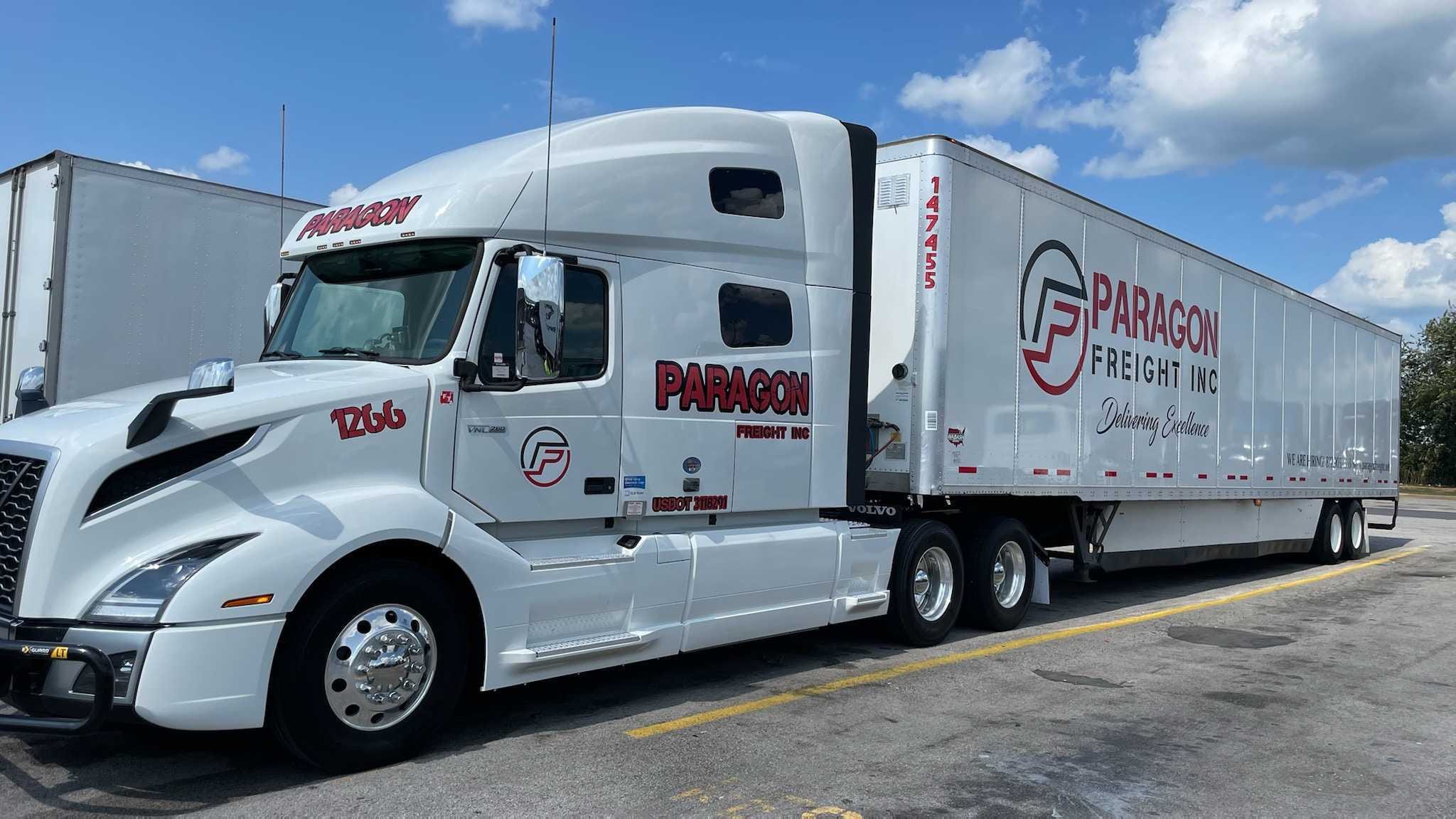
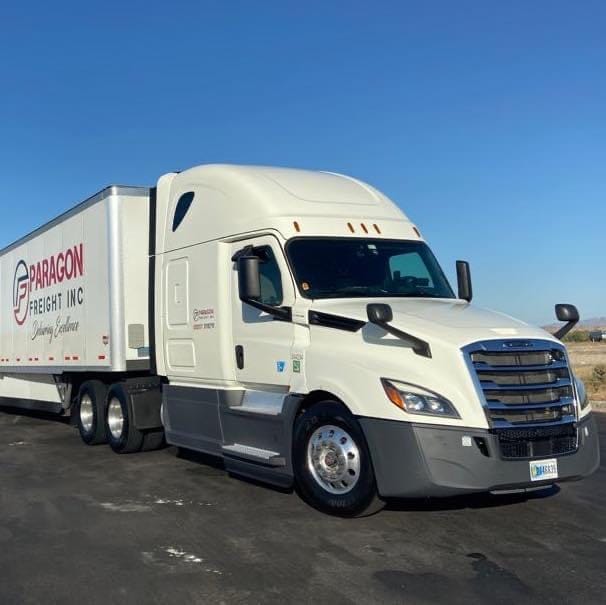
Life on the road is what you make of it, but it helps when your carrier isn’t making it harder than it needs to be. Paragon runs OTR with consistent lanes, solid equipment, and dispatchers who actually talk to their drivers. It’s not perfect — nothing in trucking is — but the basics are handled.
What is OTR trucking really like day to day?
OTR trucking involves long stretches on the road, sleeping in your truck, managing your HOS clock, and dealing with shippers and receivers. The daily rhythm includes driving, pre-trips, dock time, and finding food and rest stops.
How often do OTR drivers get home?
It varies by carrier. Most OTR positions offer scheduled home time every few weeks, but the actual frequency depends on your carrier’s freight lanes and whether they prioritize getting drivers home consistently.
Is OTR trucking worth it financially?
OTR trucking pays competitively based on experience, but the real earning potential depends on consistent miles and a carrier that doesn’t leave you sitting. Steady miles week after week usually beat chasing higher per-mile rates with unpredictable freight.