Driver retention is the problem nobody in trucking wants to talk about honestly. Carriers will spend thousands on recruiting — sign-on bonuses, flashy ads, promises — but they won’t fix the things that make drivers leave in the first place. The result is a revolving door that costs everyone: the carrier, the drivers who stay, and the shippers counting on consistent service.
If you’ve been driving long enough, you’ve seen it. A carrier hires 50 drivers in a quarter and loses 45 of them. Then they call it a “driver shortage” instead of looking in the mirror. Driver retention isn’t a recruiting problem — it’s an operations problem.
What Turnover Actually Costs
Every driver who walks out the door costs a carrier real money. Recruiting, onboarding, training, the truck sitting empty, the established lanes that now need coverage from someone who doesn’t know the route. It adds up fast.
But the hidden cost is worse. High turnover means the drivers who stay are picking up the slack — covering extra loads, dealing with inconsistent dispatch, running with less experienced drivers around them. Over time, that wears down even your best people. And when they leave, you’ve lost the ones you could least afford to lose.
Why Drivers Actually Leave
It’s rarely just about money. Drivers leave because they’re lied to during recruiting. They leave because dispatch doesn’t communicate. They leave because the equipment is junk and nobody fixes it. They leave because they were promised scheduled home time and it never materialized.
Pay matters, sure. But a driver making slightly less at a carrier that treats them right will stay longer than a driver making top dollar at a carrier that runs them into the ground. Driver retention comes down to trust — and trust is built or broken in the first 90 days.
What Good Driver Retention Looks Like
Carriers with strong driver retention don’t have a secret formula. They just do the basics consistently. They pay on time and pay what they promised. They maintain their equipment. Their dispatchers actually know the drivers’ names and preferences. Home time is scheduled and honored.
That’s the bar. It sounds low. But most carriers can’t clear it — and the ones that can don’t have a “driver shortage.” They have a waiting list.
How Drivers Can Spot a Retention-Focused Carrier
Ask about turnover. If a carrier won’t give you a straight answer, that’s your answer. Ask how long their average driver has been there. Ask to talk to a current driver — not the one they hand-picked for the reference, a random one. Look at reviews, but read between the lines. Every carrier has a few complaints. What you’re looking for is patterns.
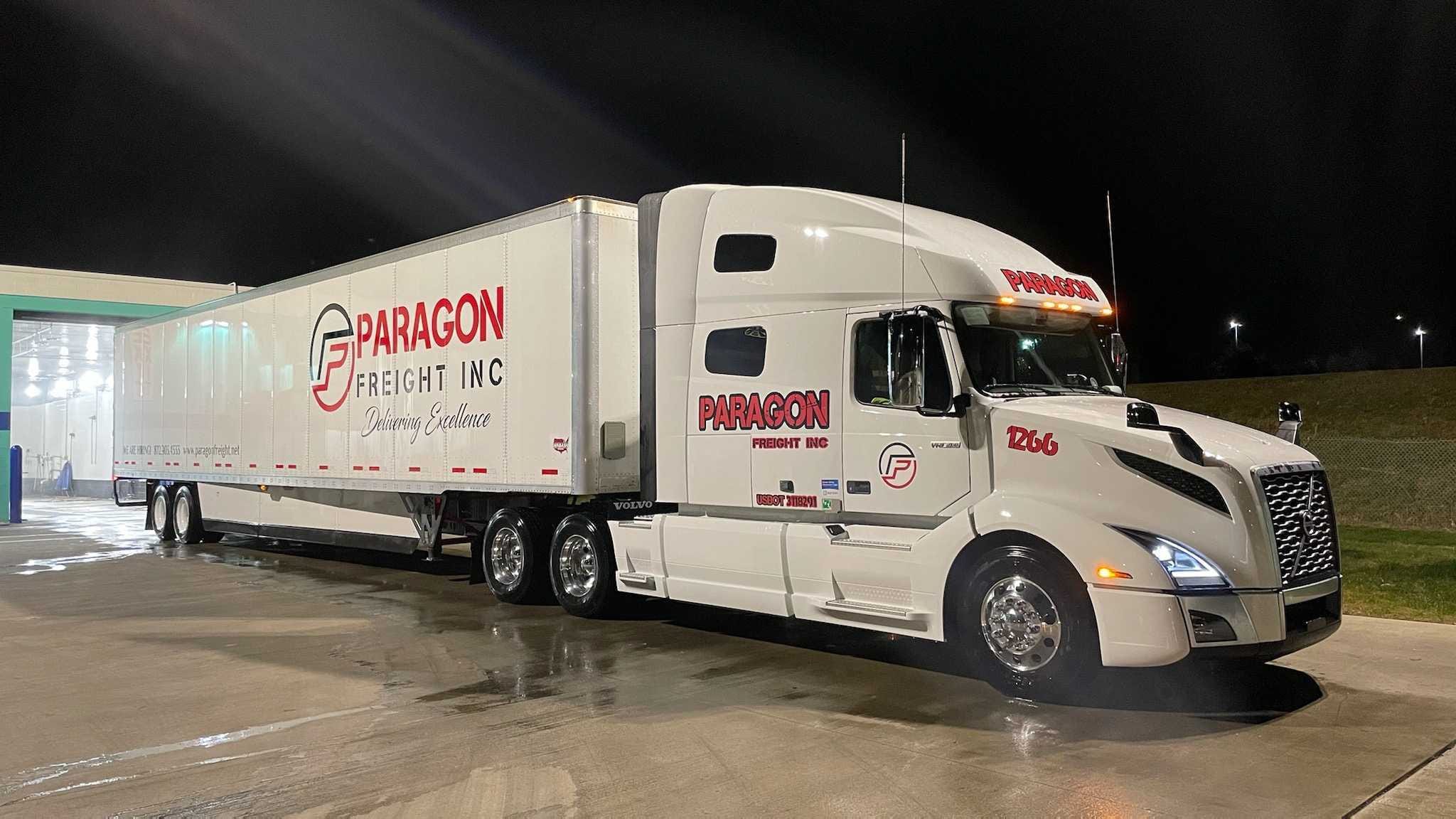
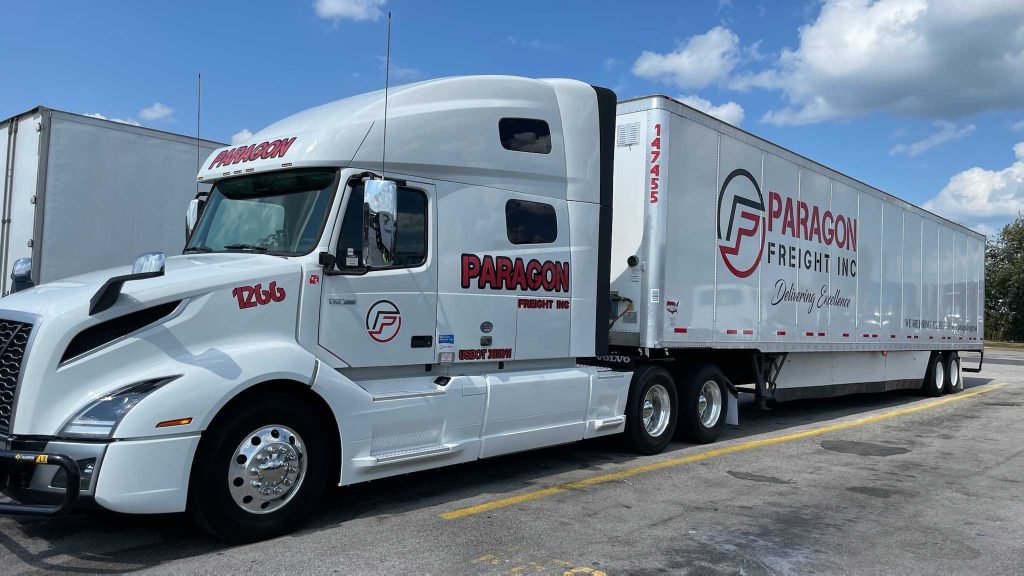
A carrier that focuses on driver retention isn’t trying to sell you on a dream. They’re telling you what to expect and then actually delivering it. Paragon keeps things straightforward — competitive pay based on experience, solid equipment, consistent lanes, and dispatchers who communicate. Nothing fancy, but it works.
Why is driver retention more important than recruitment in trucking?
Replacing a driver costs significantly more than keeping one. High turnover disrupts operations, overworks remaining drivers, and reduces service quality for shippers. Retention solves the problems that recruitment only masks.
What causes high driver turnover at trucking carriers?
The most common causes are broken promises during recruiting, poor communication from dispatch, unreliable equipment, inconsistent home time, and a general lack of respect for drivers’ time and needs.
How can a CDL-A driver tell if a carrier has good retention?
Ask about average driver tenure, request to speak with current drivers, and look for patterns in online reviews. Carriers with strong retention are usually willing to be transparent about their numbers.