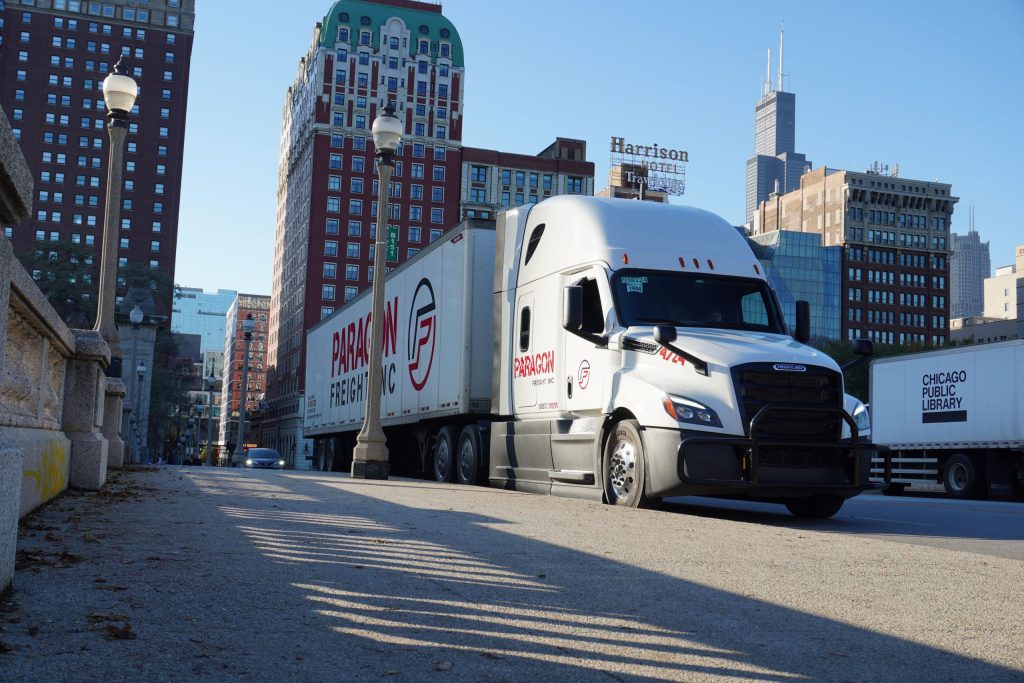
Seasonal freight patterns affect everything in trucking — your miles, your rates, your home time, and how hard you have to work to stay busy. If you’ve been driving for a while, you’ve felt the swings. If you’re newer, understanding seasonal freight patterns helps you plan ahead instead of getting blindsided by a slow week.
Q1: January Through March — The Slow Start
The first quarter is traditionally the slowest time in freight. Holiday inventory has been shipped, consumer spending drops, and manufacturers are running lighter schedules. For drivers, this means fewer available loads, shorter miles, and potentially lighter paychecks.
The carriers that handle Q1 well are the ones with diversified freight — not dependent on a single industry that goes quiet after Christmas. If your carrier’s freight dries up every January, that’s a structural problem, not a seasonal blip.
Q2: April Through June — The Ramp-Up
Spring brings produce season, construction materials, and manufacturing ramp-ups. Freight volume starts climbing. For drivers, this is when miles start picking up and the paycheck gets better. For shippers, this is when capacity starts tightening — especially on certain lanes.
This is also when smart shippers start locking in carrier relationships for the busy season. If you wait until peak season to find reliable capacity, you’re already behind.
Q3: July Through September — Peak Season Begins
Late summer into early fall is when freight volume hits its peak. Back-to-school, pre-holiday inventory builds, and general consumer demand drive a surge in shipments. This is the busiest time for most dry van carriers. Miles are plentiful, rates are stronger, and capacity is tight.
For drivers, this is earning season. For shippers, this is when having an established carrier relationship matters most. The carriers chasing spot rates all year suddenly can’t cover their commitments when every load is paying more somewhere else.
Q4: October Through December — The Holiday Push
Q4 is the final push. Holiday freight, retail restocking, and year-end shipments keep things busy through mid-December. Then it falls off a cliff between Christmas and New Year’s before the cycle starts over in January.
Experienced drivers plan for the December slowdown. Shippers plan their final shipments. Carriers that communicate seasonal patterns honestly help everyone plan better. Paragon runs consistent freight across seasons because diversified lanes smooth out the peaks and valleys that catch single-industry carriers off guard.
When is the busiest season for freight trucking?
Late summer through early fall (Q3) is typically the busiest period for freight, driven by back-to-school shipping, pre-holiday inventory builds, and peak consumer demand.
When is freight volume lowest during the year?
January through March (Q1) is traditionally the slowest period for freight as holiday shipping winds down, consumer spending drops, and manufacturers run lighter schedules.
How do seasonal freight patterns affect truck driver pay?
Seasonal patterns directly affect available miles and loads. Drivers typically earn more during peak season (Q3-Q4) when freight volume and rates are higher, and less during Q1 when freight is slower. Carriers with diversified freight tend to smooth out these swings.