OTR truck driver jobs in the Midwest come with a built-in advantage most drivers don’t think about until they’ve experienced the alternative — lane consistency. When you run the same general corridors week after week, everything gets easier. You know the routes, the shippers, the receivers, the truck stops. Your miles become predictable. Your home time becomes plannable. And that’s the difference between a job you can sustain and one that burns you out.
Why Lane Consistency Matters for OTR Drivers
Random dispatch sounds fine until you’ve lived it. One week you’re running the Northeast. Next week you’re in Texas. Then dispatch sends you to the Pacific Northwest because that’s where the freight is. You never learn the routes, you never build a rhythm, and your home time becomes a moving target.
Lane consistency changes all of that. When you run the same corridors regularly, you know where to fuel, where to park, which receivers are fast and which ones will have you sitting for hours. That knowledge translates directly into efficiency — and efficiency translates into more miles and less stress.
The Midwest Advantage for OTR Truck Driver Jobs
The Midwest is naturally suited for lane consistency. The central geography means freight moves in predictable patterns — outbound from manufacturing and distribution hubs, backhaul from regional markets. Drivers based in the heartland can run out-and-back corridors without crossing the entire country.
That geographic advantage means less deadhead, more reloads, and a realistic shot at scheduled home time. OTR truck driver jobs in the Midwest don’t require you to sacrifice home life for miles — the lanes are set up to allow both.
What to Ask About Lane Consistency
Not every carrier that advertises Midwest freight actually runs consistent lanes. Some just start you there and scatter you wherever demand takes them. Before signing on, ask pointed questions. Do drivers typically run the same corridors? How often do lanes change? What percentage of their freight is consistent versus spot?
A carrier that values lane consistency will give you straight answers. One that doesn’t will give you vague promises about “working with driver preferences.” There’s a big difference.
Consistency Isn’t Boring — It’s Smart
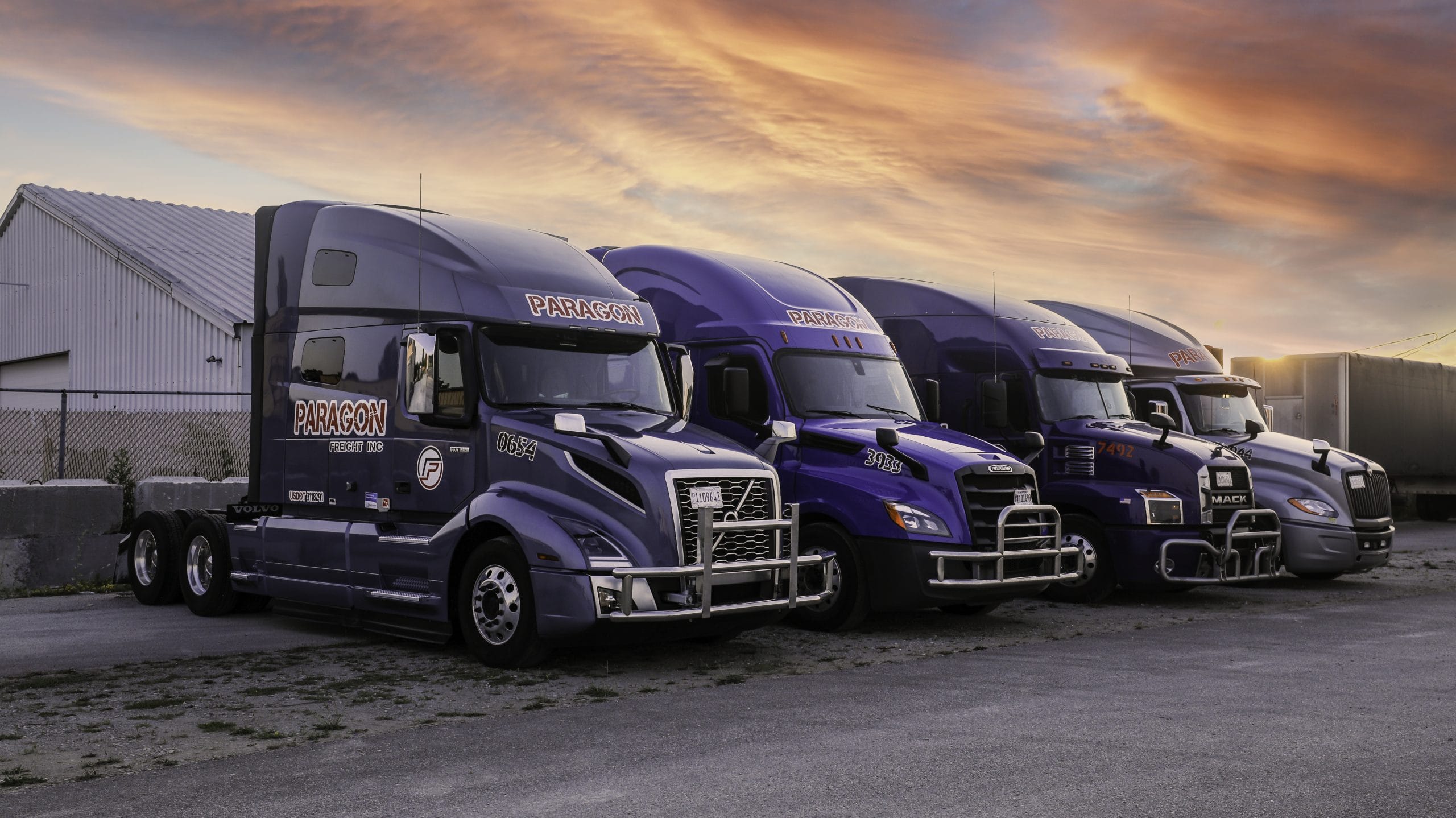
Some drivers think running the same lanes sounds boring. After a few years of random dispatch, most of them change their mind. Consistency means predictable paychecks, actual home time, and a daily routine you can build a life around. Paragon runs consistent OTR lanes through the Midwest — and our drivers stay because the setup works.
What are OTR truck driver jobs in the Midwest like?
Midwest-based OTR jobs typically offer consistent freight lanes, shorter deadhead miles, and better access to scheduled home time compared to jobs based on the coasts. The central location provides more routing and reload options.
Why does lane consistency matter for truck drivers?
Consistent lanes let drivers learn routes, build efficiency, predict weekly miles and income, and maintain reliable home time schedules. Random dispatch creates unpredictability in all of these areas.
How can CDL-A drivers find OTR jobs with consistent Midwest lanes?
Ask carriers directly about their lane consistency, what percentage of freight is dedicated versus spot, and whether drivers typically run the same corridors. Talk to current drivers to verify what the recruiter says.