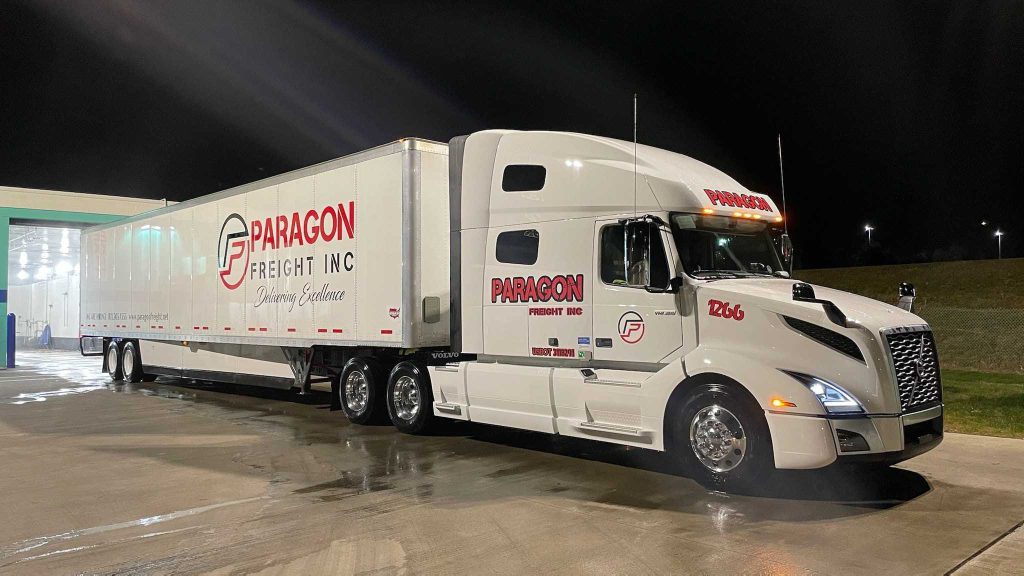
Fuel prices and the freight market are connected in ways that aren’t always obvious — especially if you’re a driver watching diesel bounce around week to week. What you pay at the pump is one thing. How fuel costs affect rates, lane availability, and carrier decisions is another. Here’s what’s actually happening and what it means for drivers and shippers.
Where Fuel Prices Stand Right Now
The honest answer is — it depends on where you are. National averages tell one story. Regional pricing tells another. What a carrier pays fueling up in the Midwest versus the Northeast can differ enough to change the math on an entire lane. That regional variation matters more than the national number you see on the news.
Fuel surcharges are supposed to smooth this out, but they don’t always keep pace with reality. Some carriers adjust quickly. Others lag behind, which means drivers eat the difference in the short term.
How Fuel Prices Affect the Freight Market
When diesel goes up, operating costs go up. Smaller carriers with tighter margins feel it first — some park trucks, some exit lanes that don’t pencil out anymore. That tightens capacity. Tighter capacity means rates start moving. Then shippers start looking harder at their carrier relationships, and the whole cycle shifts.
When diesel drops, the reverse happens. Capacity loosens. Rates soften. Carriers that over-expanded during the tight market start scrambling for freight. For drivers, this usually means hearing about rate cuts and wondering what it means for their paycheck.
What Drivers Should Watch For
If you’re a company driver, fuel prices shouldn’t directly affect your pay — your carrier absorbs the fuel cost. But they indirectly affect everything. When a carrier’s margins get squeezed by fuel, they start cutting corners elsewhere. Maintenance gets delayed. Trucks don’t get replaced on schedule. Dispatch starts pushing harder for miles that don’t make sense.
The carriers that handle fuel price swings well are the ones that planned for it — reasonable fuel surcharge structures, efficient routing, and financial stability that doesn’t evaporate with a ten-cent spike at the pump.
What Shippers Should Know
If you’re a shipper trying to lock in rates during volatile fuel periods, the carrier’s fuel surcharge program matters. A transparent fuel surcharge that adjusts regularly is better for both sides than a flat rate that either overpays or underpays depending on the week. Ask how the surcharge is calculated, how often it adjusts, and what index it follows.
The freight market and fuel prices will keep doing what they do. The carriers that survive the swings are the ones running efficient operations with good drivers on consistent lanes — not the ones chasing every rate spike and parking trucks when it dips. Paragon runs consistent lanes and manages fuel costs as part of the operation, not as a surprise.
How do fuel prices affect freight rates?
Rising fuel prices increase carrier operating costs, which can tighten capacity as smaller carriers exit unprofitable lanes. That tighter capacity typically pushes freight rates up. Falling fuel prices have the opposite effect.
Do company drivers pay for fuel?
Company drivers don’t pay for diesel directly — the carrier covers fuel costs. However, fuel price changes can indirectly affect carrier decisions around equipment, maintenance, and route planning that impact drivers.
What is a fuel surcharge in freight shipping?
A fuel surcharge is an adjustable fee added to freight rates that fluctuates with diesel prices. It’s designed to share fuel cost risk between carriers and shippers and typically adjusts weekly or monthly based on a national fuel index.