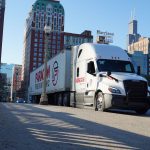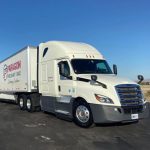
Company driver vs owner operator — it’s one of the biggest decisions a CDL-A driver can make. Both paths have real advantages and real trade-offs. The right answer depends entirely on your situation, your risk tolerance, and what you want out of your trucking career. Here’s an honest comparison so you can decide for yourself.
The Company Driver Path
As a company driver, the carrier handles the business side. They own the truck, pay for fuel, cover insurance, handle maintenance, and deal with the compliance headaches. You show up, drive, and collect a paycheck. Your pay is competitive based on experience and typically calculated per mile or on a percentage.
The upside is simplicity and predictability. You know what you’re earning, you don’t have surprise expenses, and if the truck breaks down, it’s the carrier’s problem — not yours. The trade-off is that you have less control. The carrier decides which loads you run, and your earning ceiling is capped by the pay structure.
The Owner Operator Path
As an owner operator, you’re running a business. You own or lease the truck, you pay for fuel, insurance, maintenance, tires, permits, and everything else. In exchange, you get more control — more say in what loads you take, what lanes you run, and how you operate.
The earning potential is higher on paper. But so is the risk. A bad month of maintenance can eat your profit. Fuel spikes hit your bottom line directly. And if freight slows down, you still have fixed costs whether you’re running or not. Plenty of owner operators make great money. Plenty of others are working harder than a company driver and netting less after expenses.
What Most People Get Wrong About This Decision
The biggest mistake drivers make is assuming owner operators always make more money. That’s not automatically true. An owner operator grossing more revenue than a company driver can still take home less after all the business expenses are deducted. Running your own truck means running a small business — and not everyone is cut out for that.
The second mistake is thinking company driving is “settling.” It’s not. A company driver at a good carrier with consistent miles and solid pay can build a very comfortable career without the stress of managing a truck, an LLC, and a fuel account.
How to Decide
Ask yourself honestly: do you want to run a business or do you want to drive a truck? If you want the freedom and the risk of being your own boss, the owner operator path might be right. If you want predictable income with less hassle, company driving is the smarter move — especially if you find the right carrier.
Paragon works with both company drivers and owner operators. The company driver positions offer competitive pay based on experience with consistent lanes and scheduled home time. For owner operators, we offer steady freight without the broker runaround. Either way, the goal is the same — keep you moving and earning.
Do owner operators make more money than company drivers?
Not always. Owner operators gross more revenue but have significantly higher expenses including fuel, insurance, maintenance, and truck payments. After expenses, a company driver at a solid carrier can net comparable or higher income with less financial risk.
What are the main differences between company drivers and owner operators?
Company drivers work for a carrier that provides the truck and covers operating costs, offering more predictable income. Owner operators own their equipment and handle all business expenses, offering more independence but more financial risk.
Should new CDL-A drivers start as company drivers or owner operators?
Most industry veterans recommend starting as a company driver to build experience, learn the business, and earn consistently before taking on the financial risks of owning a truck.